Published 29 October 2026 | Publisher: NewsPro | AI-assisted reporting based on the sources below.
Four volunteers in NASA’s Crew Health and Performance Exploration Analog (CHAPEA) Mission 2 are scheduled to leave their simulated Mars habitat on 31 October, after a 378-day stay at Johnson Space Center in Houston. NASA says the crew entered the 1,700-square-foot habitat on 19 October 2025 and lived under rules intended to approximate some constraints of a long-duration mission.
NASA’s October 19 update says participants grew crops, managed limited resources, carried out simulated surface activities and communicated with delays designed to evoke the distance between Earth and Mars. The crew are commander Ross Elder, medical officer Ellen Ellis, science officer Matthew Montgomery and flight engineer James Spicer. NASA’s mission overview also lists robotic operations, habitat maintenance and exercise.
Studying people under constraints
Long missions would place crews in confined environments far from immediate help, with limited supplies and delayed communication. NASA says CHAPEA is collecting health and performance information to help researchers understand how people adapt to those routines and demands. Debriefs and evaluations after the crew exits will contribute to analysis of the mission data.
The Earth-based simulation cannot reproduce Mars’s gravity, radiation or travel conditions. It studies selected behavioral and operational factors; one crew’s results cannot establish how all crews would respond on a real mission.
What the end date means
The crew passed the one-year mark on October 19, while NASA says the full analog mission ends October 31 after 378 days. That distinction explains why the agency described a year inside the habitat while giving a later exit date. NASA says family contact during the simulation was limited to email with Mars-like delays.
CHAPEA’s value will depend on data analysis and follow-up research. It is an Earth-based analog, not a Mars expedition.
Sources
- NASA, “NASA’s Simulated Mars Crew Marks One Year Inside Habitat” — 19 October 2026.
- NASA, CHAPEA Mission 2 overview — accessed 29 October 2026.
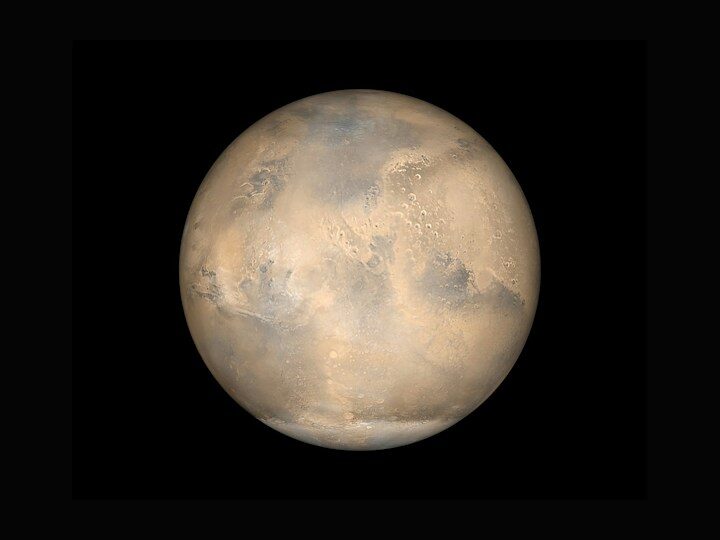
Illustrative image of Mars: NASA / Unsplash. This image does not show the CHAPEA habitat or crew.