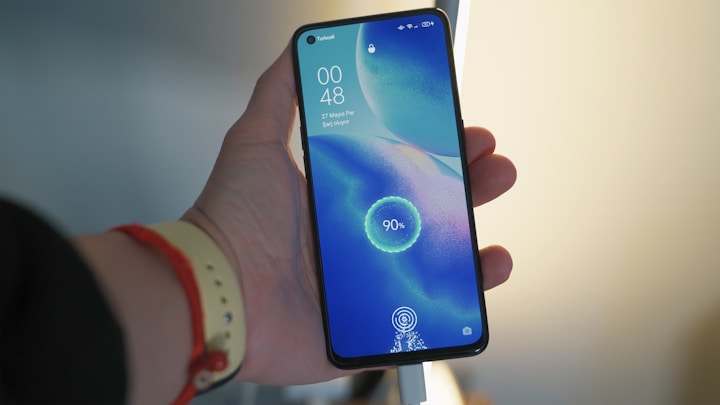
Fast charging technology has revolutionized how we power our phones, but it raises important questions about battery care and long-term health. This comprehensive guide explores the relationship between rapid charging capabilities and battery longevity, providing practical tips to maintain your phone’s power source while enjoying the convenience of quick charging. Understanding these principles helps extend your device’s lifespan significantly.
Fast charging works by dramatically increasing the power delivered to your phone’s battery. Unlike standard charging that uses 5 volts, fast charging standards like Qualcomm Quick Charge and USB Power Delivery (PD) dynamically negotiate a higher voltage and current. This negotiation is a sophisticated digital handshake between the phone and the charger, ensuring only compatible, safe power levels are used. The core physics involves increasing either voltage (V) or amperage (A), since Power (W) = V x A. To manage the substantial heat generated by this rapid energy transfer, phones incorporate advanced thermal management systems and regulate the charging speed, often slowing down as the battery fills or if it gets too warm. Using the correct, certified charger and cable is not a suggestion—it is a critical safety requirement. Incompatible accessories cannot perform the necessary handshake, leading to slow charging or, worse, potential damage from overheating and unregulated power flow. The entire system is a carefully orchestrated balance of pushing power limits while rigorously protecting the battery’s integrity.
Lithium-ion batteries operate through the movement of lithium ions between the positive cathode and negative graphite anode. During charging, ions are forced into the anode, a process called intercalation, while discharging reverses this flow to release energy. This elegant chemistry, however, is susceptible to several degradation factors that are accelerated by modern fast charging. Heat is a primary enemy, as elevated temperatures during rapid charging increase the rate of parasitic reactions. These reactions consume active lithium and form a thicker Solid Electrolyte Interphase (SEI) layer on the anode, permanently reducing capacity. Voltage stress is another critical factor; fast chargers push the battery to its maximum voltage for extended periods, which strains the cathode’s crystal structure and accelerates corrosion. Furthermore, consistently maintaining a high state of charge puts the battery under constant high voltage stress, even when not in use. The cumulative effect of these processes is twofold: capacity fade, where the battery holds less charge over time, and an increase in internal resistance, which reduces the voltage available to your phone and can lead to unexpected shutdowns under load.
While fast charging offers incredible convenience, maintaining battery health requires understanding its optimal usage patterns. The most crucial practice involves keeping your battery between 20% and 80% charge as much as possible. Constantly charging to 100% or letting it drop to 0% puts significant strain on the lithium-ion battery, accelerating its degradation. Think of partial top-ups throughout the day as being far gentler than deep, full cycles.
Temperature is a critical factor. Always remove your phone’s case during a fast charging session if you notice it becoming warm, as excess heat is a primary enemy of long-term battery health. For daily overnight charging, standard charging is preferable. Plugging in with a regular charger for 6-8 hours generates less heat than a rapid 30-minute fast charge, making it a safer, albeit slower, method. Reserve fast charging for those moments when you genuinely need a quick power boost before heading out.
Practical daily tips include:
- Utilizing optimized charging features in your phone’s settings.
- Avoiding using your phone for intensive tasks while it fast charges.
- Unplugging once you reach around 80% for routine top-ups.
This balanced approach lets you enjoy fast charging’s benefits without sacrificing your battery’s future capacity.
When fast charging your phone, heat generation is inevitable due to increased electrical current flowing into the battery. This occurs because the battery’s internal resistance converts some energy into thermal energy during the chemical reactions of lithium-ion charging. Excessive heat is a primary enemy of battery longevity, as it accelerates the degradation of the electrolyte and electrode materials, permanently reducing the battery’s capacity to hold a charge over time. Safe operating temperatures for phone batteries generally fall between 0°C and 35°C (32°F to 95°F) during charging. To combat this, modern smartphones incorporate sophisticated thermal protection systems. These include temperature sensors and software algorithms that dynamically reduce charging speed or even pause charging entirely if unsafe temperatures are detected. To aid these systems, ensure proper ventilation by:
- Removing your phone’s case during a fast charging session.
- Avoiding charging on soft surfaces like beds or sofas that can trap heat.
- Keeping the device out of direct sunlight and away from other heat sources.
Furthermore, always use the manufacturer’s original charger and cable, as third-party accessories may lack proper circuitry to manage power delivery efficiently, leading to unnecessary heat buildup. Environmental factors like a hot room ambient temperature also significantly contribute to the overall thermal load.
To maintain battery health while regularly fast charging, adopt monthly calibration by draining your phone to 0% then charging uninterrupted to 100%. For unused devices, store at 50% charge in a cool, dry place to prevent deep discharge or stress. Enable optimized charging features in your phone’s settings, which learn your usage patterns to delay charging past 80% until needed. Monitor battery health through built-in diagnostics (like iOS Battery Health or Android settings) or third-party apps that track charge cycles and capacity loss. Signs of deterioration include rapid percentage drops, swelling, or excessive heat during charging. Consider replacement when capacity falls below 80% or performance is consistently unreliable. Avoid constant 100% charging; instead, keep levels between 20-80% for daily use. These strategies help balance fast charging convenience with long-term battery preservation, ensuring your device remains efficient without frequent degradation.
Conclusions
Proper battery care while using fast charging requires balancing convenience with preservation. By understanding the technology, managing heat effectively, and adopting smart charging habits, you can significantly extend your phone’s battery life. Remember that moderation and awareness are key—using fast charging when necessary while employing standard charging for routine maintenance ensures your device remains powered for years to come.
Ben
test