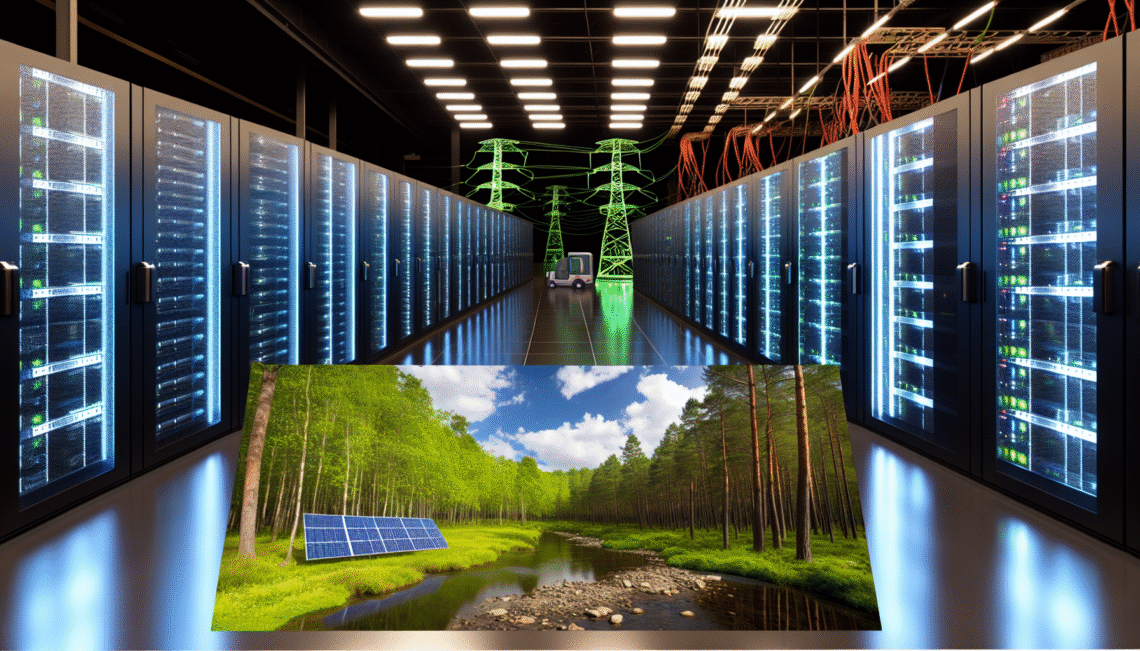
As artificial intelligence (AI) technologies proliferate, data centers are becoming increasingly vital, leading to significant electricity consumption. This article delves into the complex relationship between data centers, electricity usage, and the environmental implications tied to these advancements.
Understanding the Environment and Its Resources
The concept of the environment encompasses all living and non-living things, including ecosystems that sustain life on Earth. The natural environment, composed of elements such as air, water, soil, and biodiversity, is essential for maintaining ecological balance. Healthy ecosystems provide services like clean air, fertile land, and natural resources critical for human survival. However, the rapid industrialization and urbanization of recent decades have placed unprecedented pressures on these resources.
Electricity consumption is at the forefront of this environmental challenge, particularly with the rise of digital technology and data centers. As societies become increasingly interconnected, the demand for electricity continues to surge, resulting in a higher carbon footprint and heightened resource depletion. Data centers, vital for processing and storing the vast amounts of information generated daily, account for a significant portion of global energy use. Coupled with artificial intelligence technologies that require intense computational power, this demand exacerbates the risk of electricity shortages.
These shortages not only undermine infrastructure resilience but also lead to more significant environmental consequences, as power plants often rely on fossil fuels. Addressing these challenges necessitates innovative approaches to balance energy needs with sustainability.
The Rise of Artificial Intelligence
The robust rise of artificial intelligence (AI) has catalyzed a technological revolution, revolutionizing various sectors by enhancing efficiency, decision-making, and predictive analytics. As AI technologies continue to evolve, they demand extensive data processing capabilities, relying on complex algorithms and vast datasets. Applications like web search optimization, intelligent virtual assistants, and autonomous vehicle navigation showcase AI’s transformative potential, yet this advancement comes with considerable implications for energy consumption.
As AI systems grow more sophisticated, the energy required to support them escalates significantly. For instance, the training of large language models and deep learning networks necessitates immense computational power, leading to skyrocketing electricity demands. It is estimated that the power consumption of AI applications could rival that of entire nations if unchecked. This growing appetite for electricity raises vital environmental concerns, especially as energy production still largely relies on fossil fuels, contributing to greenhouse gas emissions and climate change.
Sustainable practices in AI development must be emphasized, driving innovations towards energy-efficient algorithms and reducing the carbon footprint associated with AI research and applications. As the intersection of AI and environmental sustainability becomes increasingly critical, the balance between technological advancement and ecological responsibility must be navigated thoughtfully.
Data Centers: The Backbone of Digital Infrastructure
Data centers are increasingly seen as the backbone of our digital infrastructure, facilitating the continuous flow of information that drives modern life. There are various types of data centers, including enterprise, colocation, and hyperscale facilities, each designed to meet specific needs in terms of capacity and efficiency. As AI technologies advance, the demand for powerful computing resources grows, exerting immense pressure on these facilities.
The infrastructure of data centers is engineered for scalability; however, this comes at a significant cost—both financially and ecologically. The staggering electricity consumption of data centers accounts for approximately 2% of global electricity use, a number projected to rise as digital services proliferate. This escalating demand leads to a multitude of ecological implications, especially in light of climate change and energy shortages.
With power supplies stretched thin and environmental regulations tightening, data centers are facing a dual challenge: how to sustain their energy needs while minimizing environmental impact. Innovative energy management systems, renewable energy sourcing, and efficient cooling solutions are emerging as critical measures to address the urgent need for a more sustainable approach to digital infrastructure.
Electricity Consumption Trends and Their Implications
The global demand for electricity has been observing a sharp upward trajectory, primarily influenced by the rapid advancements in technology, including the integration of AI and the expansion of data centers. Recent statistics reveal that global electricity consumption increased by over 20% in the last decade, with data centers contributing a substantial portion to this surge. Factors driving this increase include the proliferation of smart devices, the rise of IoT, and the relentless growth of digital services, each demanding extensive computational power.
Consequently, the effects of rising electricity consumption are twofold. Firstly, the escalating demand puts a strain on existing energy infrastructure, leading to potential shortages and highlighting the vulnerability of energy supply systems to fluctuations in demand. Secondly, this heightened consumption is often met with fossil fuel-generated electricity, exacerbating greenhouse gas emissions and further fueling climate change.
Moreover, regional disparities in consumption patterns pose additional challenges. Developing nations are experiencing rapid urbanization, leading to increased electricity needs, while developed countries are seeking to manage their consumption through efficiency measures. The environmental impact of these trends underscores the urgent need for a balanced approach in energy use to safeguard ecological health.
Navigating the Future: Balancing Technology and Sustainability
As the demand for electricity surges due to the proliferation of AI and data centers, the environmental repercussions cannot be overlooked. Striking a balance between technological advancement and sustainability necessitates a multifaceted approach. One vital strategy lies in prioritizing energy efficiency within data centers, specifically through intelligent design, improved cooling technologies, and optimized resource management. This can significantly reduce the carbon footprint associated with excessive electricity consumption.
In addition to enhancing energy efficiency, the shift towards renewable energy sources presents a promising pathway. Innovations in solar, wind, and geothermal energies can help mitigate the reliance on fossil fuels, thereby lessening greenhouse gas emissions and supporting sustainable practices. Furthermore, the development of energy storage solutions, such as advanced battery technologies, can alleviate supply shortages by storing excess energy generated during peak production times for use during high demand.
Collaboration between technology developers and environmental advocates is crucial. Policymakers must be actively involved in creating incentives for adopting greener technologies and establishing frameworks that support sustainable energy practices. By fostering a cooperative environment, we can ensure that the intersection of AI and data centers not only meets the demands of modern society but respects and preserves the planet for future generations.
Conclusions
In conclusion, the increasing reliance on AI and data centers poses significant challenges to our environment, particularly in terms of electricity consumption and sustainability. By fostering innovation and prioritizing eco-friendly practices, we can balance technological advancement with environmental stewardship, ensuring a sustainable future.
selam