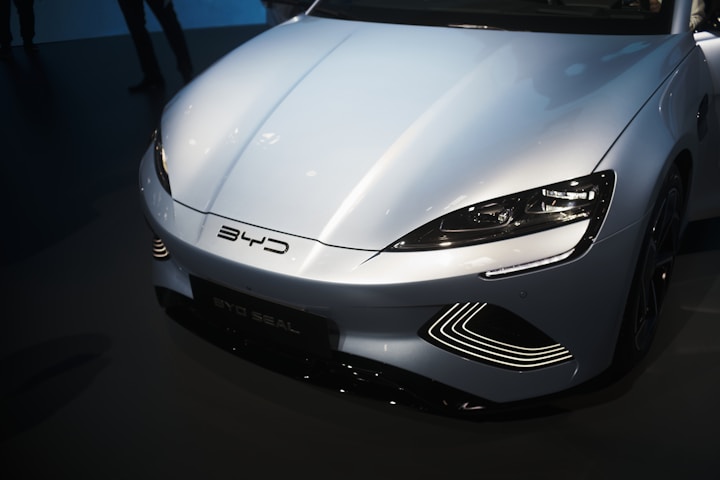
BYD, a Chinese multinational, has become a global leader in battery technology and electric vehicles. This article delves into its rise, technological advancements, and pivotal role in establishing China as a dominant force in the sustainable energy and automotive industries, shaping the future of transportation worldwide.
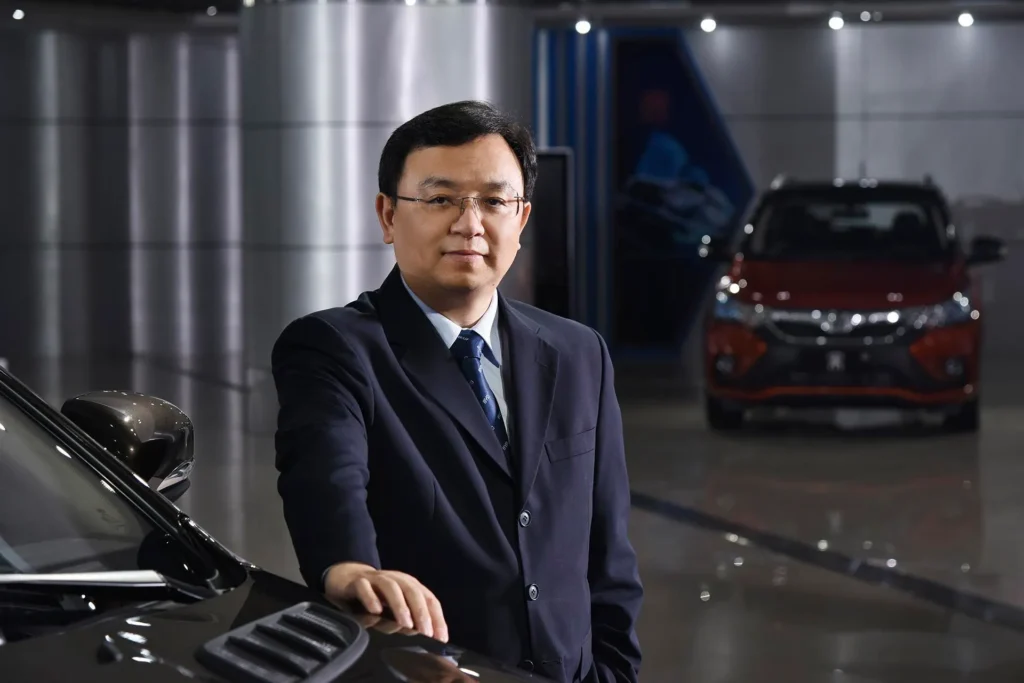
Founded in 1995 in Shenzhen by chemist Wang Chuanfu, BYD began with a sharp focus on manufacturing rechargeable batteries, primarily for mobile phones and other consumer electronics. Leveraging China’s growing manufacturing prowess and lower labor costs, the company quickly scaled, overcoming early technical and financial challenges through relentless innovation in cost-effective nickel-cadmium and later lithium-ion phosphate (LiFePO4) cells. A pivotal moment was its IPO on the Hong Kong Stock Exchange in 2002, which provided crucial capital for expansion. This growth trajectory attracted the attention of Warren Buffett, whose Berkshire Hathaway purchased a 10% stake in 2008, a massive vote of confidence that provided not just capital but immense global prestige. This strategic investment was a key enabler, allowing BYD to aggressively fund its ambitious and risky diversification into the automobile sector in 2003 and later into the broader new energy ecosystem, building upon its foundational battery expertise to vertically integrate its operations.
BYD’s breakthrough Blade Battery is a cornerstone of its technological leadership. This innovation utilizes a lithium iron phosphate (LFP) chemistry, fundamentally re-engineered for superior performance. Its most celebrated achievement is its exceptional safety, definitively proven by passing the stringent nail penetration test without igniting or emitting smoke. This is a critical advantage over traditional nickel manganese cobalt (NMC) batteries, which are more prone to thermal runaway. While LFP chemistry traditionally lagged in energy density, BYD’s structural cell-to-pack design mitigates this, offering competitive range for their EVs. The battery’s superior thermal stability and longer lifecycle make it equally transformative for energy storage systems (ESS). This dual application across automotive and grid storage creates a powerful synergy, solidifying a formidable competitive edge and propelling China’s dominance in the global battery market.
BYD’s dominance in China’s electric vehicle market is a cornerstone of the nation’s broader battery leadership. Its comprehensive range of EVs, from passenger cars to mass transit, showcases its manufacturing prowess and strategic vision. Key models include:
- The Tang and Han series, premium sedans and SUVs competing directly with Tesla.
- A full lineup of electric buses deployed globally in public transportation networks.
- Commercial vehicles, including taxis and logistics trucks, vital for urban electrification.
| Model | Type | Range (WLTP) |
|---|---|---|
| BYD Seal | Sedan | Up to 570 km |
| BYD Atto 3 | SUV | Up to 420 km |
| BYD Dolphin | Hatchback | Up to 427 km |
| BYD Han | Luxury Sedan | Up to 602 km (NEDC) |
| BYD Tang | SUV | Up to 530 km (WLTP) |
This expansion was heavily fueled by substantial government subsidies and strict New Energy Vehicle mandates for manufacturers, creating a protected and booming domestic market. BYD’s vertical integration is its ultimate advantage; by manufacturing its own Blade Batteries, it controls cost, supply, and innovation, insulating itself from external shortages. This synergy allows for aggressive pricing and rapid scaling, evidenced by sales consistently exceeding 900,000 pure electric vehicles annually, often outpacing Tesla in the Chinese market. While domestic rivals like NIO focus on premium branding and battery swapping, BYD’s strength lies in its unparalleled volume and complete control over the most valuable component: the battery itself.
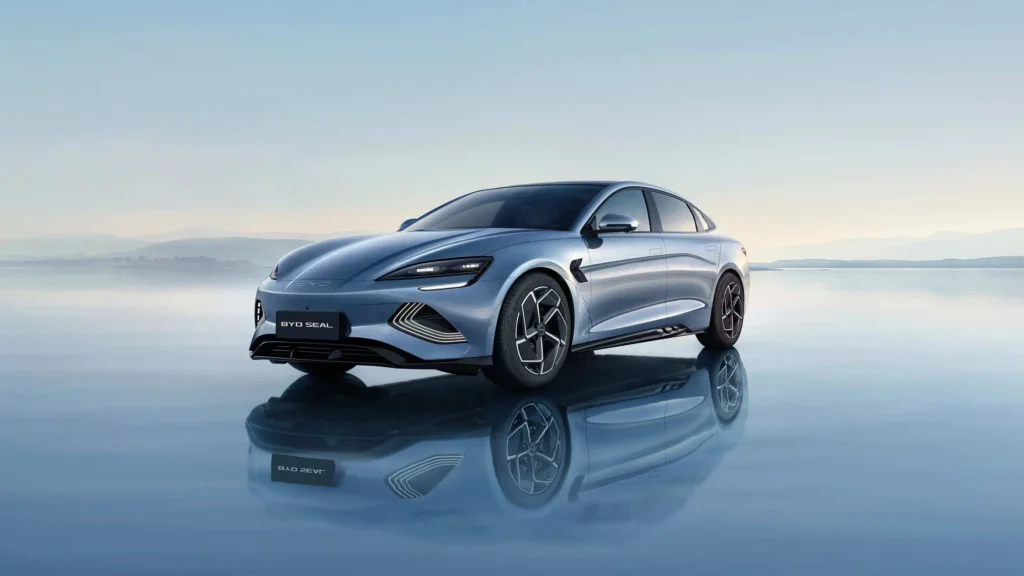
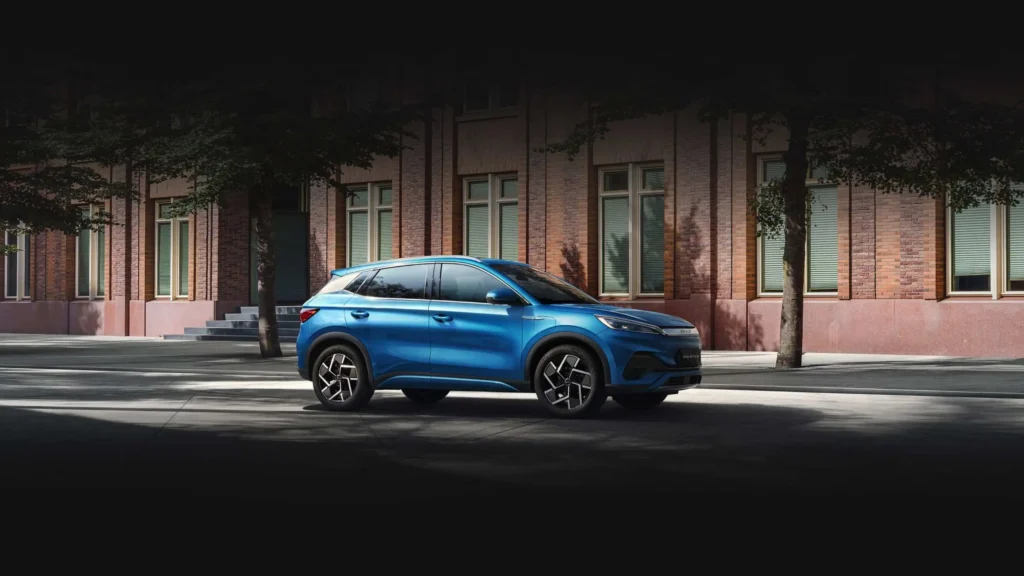
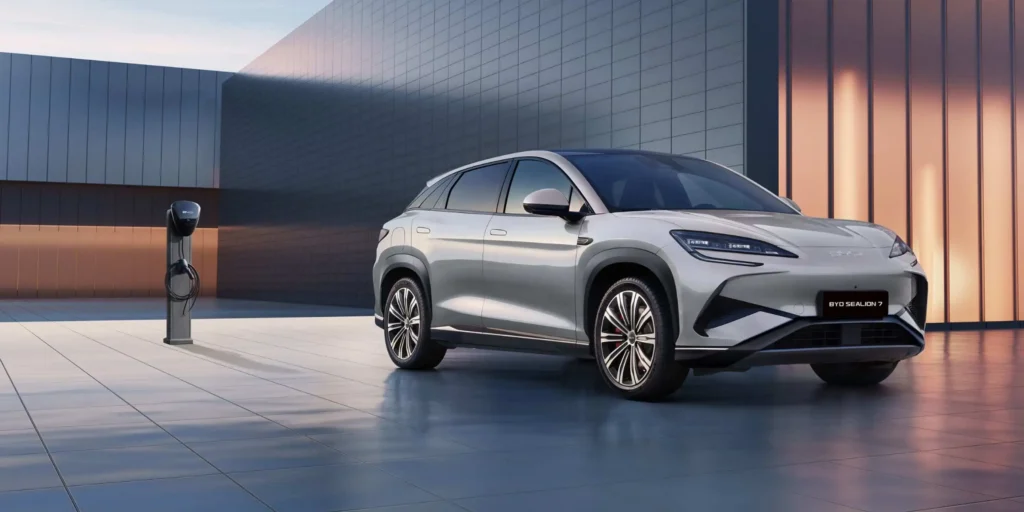
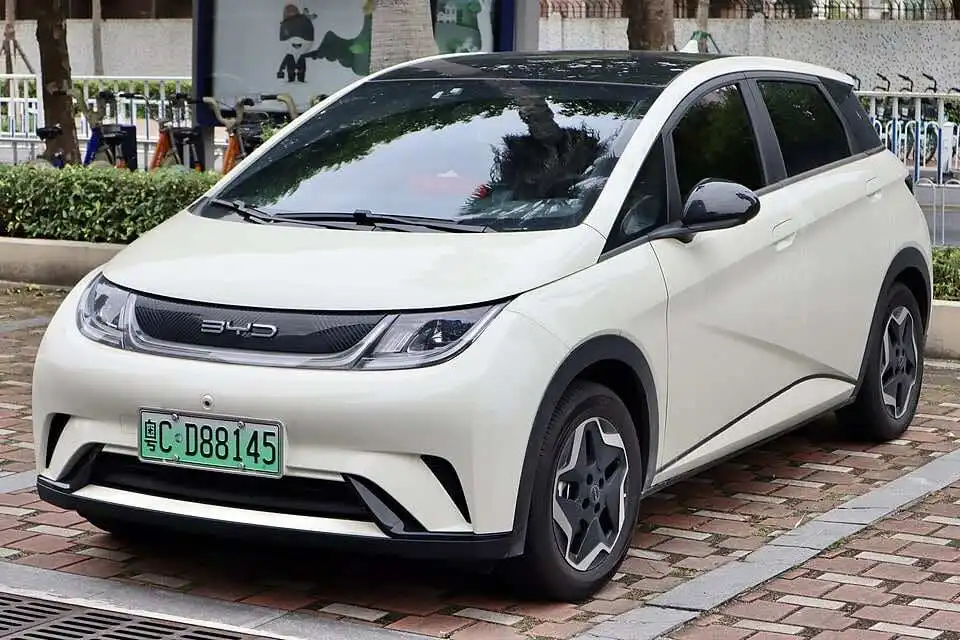
BYD’s global expansion is a cornerstone of China’s battery market dominance, extending its reach far beyond domestic borders. In Europe, its electric buses are a common sight, operating in major cities from London to Amsterdam, supported by a manufacturing plant in Hungary. The company is aggressively entering the passenger vehicle sector, challenging established brands with competitive models. In North America</b, its electric bus factory in California supplies numerous transit agencies, though it faces significant political and regulatory headwinds. Across Asia, Latin America, and Australia, BYD’s electric fleets for public and commercial transport are growing rapidly. This international push is underpinned by its core vertical integration strategy, leveraging its battery expertise to offer not just vehicles but complete integrated solutions. This includes pairing electric transport with its battery energy storage systems (BESS) and solar products, providing a holistic approach to electrification and renewable energy adoption for municipalities and corporations worldwide.
Looking ahead, BYD is not merely scaling production but fundamentally rethinking energy systems. Its ongoing research into solid-state batteries promises higher energy density and enhanced safety, which could further extend the range of electric vehicles and the longevity of energy storage systems. Concurrently, the company is pioneering comprehensive battery recycling programs to create a circular economy, mitigating resource scarcity and environmental impact from mining. BYD is also deeply integrating its technology into smart grid infrastructures, developing solutions that allow for more efficient distribution and consumption of renewable energy, directly supporting global carbon emissions reduction targets.
- Accelerating the commercialization of next-generation solid-state battery technology.
- Expanding global capacity for closed-loop battery material recovery.
- Deploying large-scale vehicle-to-grid (V2G) systems to stabilize power networks.
However, its trajectory faces headwinds from geopolitical tensions affecting trade and supply chain security, alongside fierce competition from other global giants. Despite this, immense opportunities exist in emerging markets hungry for affordable electric mobility and reliable renewable energy storage, positioning BYD to shape a more sustainable future.
Conclusions
BYD’s groundbreaking battery innovations and strategic growth have cemented China’s position at the forefront of the global energy transition. As the world shifts towards electrification, BYD continues to lead, demonstrating how technological prowess and vision can drive sustainable progress and redefine entire industries.
ممتاز
very very nice
hi Good morning
we can chat on telegram or WhatsApp
yes send your number
chat me on 234802611873